Monday, May 20th, 2013
Recent press attention has once again highlighted the issues associated with excessive consumptions of salt. A significant amount of the salt that is consumed in the diet is hidden in processed foods.
One of the best ways to reduce salt content is to stick to a diet which is as natural as possible. The benefits of this can be further reaching too, with increased nutrients, more fibre, less saturated fats often benefits of a more natural diet.
See below for some healthy recipes to help you avoid jumping to those salt laden foods during lunch time.
Mediterranean couscous
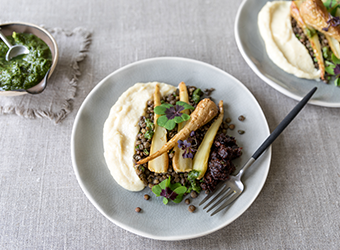
Mix 100g cooked couscous with a can of chickpeas, a can of brown lentils, a small can of chopped tomatoes, 1 roasted courgette, 1 roasted aubergine, 2 roasted onions, a handful of chopped parsley leaves, the juice of 1 lemon and a drizzle of olive oil.
Summer Quinoa
Mix 100g of cooked Quinoa with 1 chopped red pepper, 2 chopped tomatoes, 6 olives, 2 chopped spring onions, a handful of chopped basil leaves the juice of 1 lime and a sprinkling of mixed seeds.
Tags: dietary fibre, fruit and vegetable, nutrition
Posted in FIBRE, Recipes, salt | No Comments »
Monday, May 13th, 2013
This week we are showing our support and raising awareness of Coeliac Awareness Week.

Coeliac disease is a common digestive health issue, causing inflammation and damage to the small intestine. It is an autoimmune disease in which individuals have an adverse reaction to gluten
Gluten is a protein found in wheat (e.g. spelt, couscous, bran), rye, barley and oats. Those who have coeliac disease should avoid sources of gluten such as bread, pasta, breakfast cereals, flour, cakes and biscuits.
At first cooking and eating gluten-free foods can often seem overwhelming and frustrating, however, there are a range of naturally gluten-free foods (including; rice, potatoes, corn, pulses, meat, fish, fruit & vegetables) and gluten-free substitute foods (pasta, breads, biscuits) which are available in the shops.
To celebrate Coeliac Awareness Week try this delicious bread and butter gluten-free pudding:
Gluten-free Apricot and Almond Bread & Butter Pudding
Serves 4
Cook for 35-40 minutes
Ingredients
8 slices of gluten-free sliced white bread, crusts left on
75g (3oz) salted butter, softened
200ml (7fl oz.) whole milk
100ml (3½fl oz.) double cream
4 tbsp. apricot jam
1 tbsp. Demerara sugar
1 tbsp. flaked almonds
- Preheat the oven to gas 4, 180°C, fan 160°C and grease an 18cm (7in) by 23cm (9in) baking dish.
- Generously butter the bread on both sides, then form into sandwiches and cut into triangle quarters. Arrange these quarters neatly in the dish so that they are overlapping each other.
- Whisk the milk, cream, eggs and apricot jam together thoroughly. Pour the mixture over the buttered bread and scatter with the Demerara sugar. Place in the oven for 30 minutes.
- Remove from the oven and scatter over the flaked almonds before baking the pudding for a further 5 to 10 minutes, or until the topping is golden brown.
For further information and support on Coeliac disease visit http://www.coeliac.org.uk/
Tags: Coeliac, Coeliac Awareness Week, Gluten, Gluten-free
Posted in Features, Gut Health, Recipes | No Comments »
Monday, May 6th, 2013
With the weather heating up it is important that we make certain considerations when it comes to hydration. When the temperature rises, the body will attempt to cool itself down by sweating. However, this can lead to dehydration. Along with water loss, there will also be a loss of salts (electrolytes) which are essential for our health and play vital roles in the body, such as supporting nerve and muscle function.
While exercise can contribute to fluid loss, even basic tasks such as shopping or gardening, during the summer months, can lead to dehydration. If exercising, sip on sports drinks which will help to rehydrate as well as replace electrolytes lost. However, do remember that while hydrating, sports drinks are still high in sugar and therefore should be limited if there is little exercise taking place. Also, remember to watch alcohol and caffeine intake as these are both dehydrating.
Don’t forget we also lose water when we sweat and urinate – so even on a chilly day it is important that we consume adequate amounts of water. Signs of dehydration can include; headaches, dark-coloured urine, reduced energy and constipation.
The Department of Health recommends that we drink about 1.2 litres of fluid every day. The healthiest way to reach this target is with water. However, other options such as milk, fruit juices, smoothies, squashes and herbal teas are a few great other options to help contribute to these daily guidelines.

Tags: constipation, dehydration, electrolytes, Exercise, hydration, water
Posted in Fitness, Gut Health, Water | No Comments »
Monday, April 29th, 2013
Here at Love Your Gut, we’ve been contacted by our friends The Antibiotic Action Team, it’s not often we will promote others messages however, we feel their message is extremely important.
New antibiotics are urgently needed for use now and in the future:
No antibiotics – no chemotherapy | No antibiotics – no transplant surgery | No antibiotics – no hip/knee replacements | No antibiotics – no treatment for infectious diseases| No antibiotics – no heart surgery |No antibiotics – no cystic fibrosis treatment | No antibiotics – no kidney transplants
NO ANTIBIOTICS – NO CURE – NO CHANCE
Please join this global initiative – sign the petition on the website:

Tags: immune system, immunity, Love Your Gut
Posted in News | No Comments »
Wednesday, April 24th, 2013
Nutrition and Exercise
Well done to all who ran the 33rd London Marathon on Sunday! Running is a fantastic form of exercise that can have great benefits for the body. However, the amount of excise required for a marathon can have significant health implication. While moderate exercise has been shown to increase the ability of the immune system, prolonged and intensive exercise can cause temporary depression of it. This can lead to an increased susceptibility to infections, such as upper respiratory tract infections. Gastrointestinal symptoms are also common complaints experienced during long runs, with symptoms such as bloating, nausea, vomiting and faecal incontinence often resulting. This can be due to a number of reasons such as reduced blood flow to the gut, anxiety and poor nutrition.

Below are a few tips for fuelling your body during periods of intense exercise:
- Always consume a varied well-balanced diet to ensure sufficient intake of vitamins and minerals as well as fats, carbohydrates and proteins.
- Consumption of sufficient fluids is essential during exercise to prevent dehydration and to compensate for mineral loss. Fluids should be consumed prior, during and after. Choose a sports drink which will help fuel the body and replace lost salts. Also, make sure to avoid alcohol as this dehydrates the body.
- Following exercise try to consume a small amount of carbohydrate as soon as possible to help replenish the body. Bananas or fruit juice are great options.
Anyone undertaking any large amount of exercise may benefit from consulting a nutritionist.
Posted in 5-a-day, Fitness, Gut Health | No Comments »